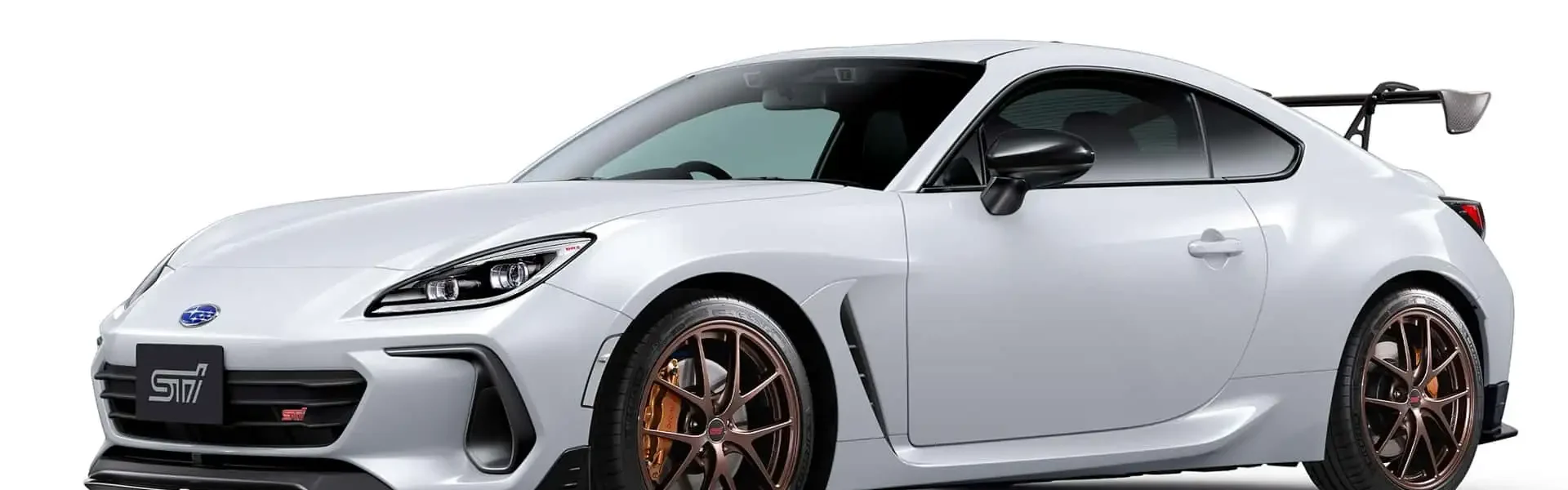

The BRZ rewards measured changes because its chassis already delivers clean balance, quick rotation, and honest steering feedback. Big spending rarely fixes what a careful inspection can show. Tyre condition, brake temperature control, seat support, and suspension travel shape confidence more than flashy catalogue choices. Owners usually get the best result by treating the car as a connected system, where each addition affects grip, comfort, durability, and day-to-day usability.
Plan First
Clear priorities prevent wasted money and mismatched parts on a light rear-drive coupe. Before choosing Subaru BRZ ZC6 accessories, most owners benefit from listing how the car is used each week, then ranking braking stability, cornering grip, thermal control, cabin support, and paint protection. This approach keeps the package coherent, which matters on rough roads, in traffic, and during occasional circuit sessions where small setup errors become obvious.
Fix the Baseline
A tired standard car can disguise the value of every later change. Fresh fluid, healthy dampers, even tyre wear, and accurate alignment often restore steering precision. Brake pedal travel deserves attention before cosmetic purchases begin. Wheel bearings, cooling efficiency, and worn bushings should also be checked early. This is because hidden mechanical slack can distort feedback, reduce stability, and make a sensible upgrade seem ineffective when the real fault sits elsewhere.
Suspension Matters
Suspension tuning works best when ride control improves without crushing compliance. Very stiff springs may reduce body motion, yet they can overload the tyre on broken surfaces. Good dampers usually matter more than dramatic lowering. Proper alignment, sensible bump travel, and quality top mounts help the front axle bite cleanly, while the rear stays settled during throttle application, quick transitions, and mid-corner corrections on imperfect public roads.
Start With Brakes
Brake work should begin with consistency under heat, rather than caliper size. Better pads, high-boiling fluid, and firmer lines often sharpen modulation while preserving smooth cold stops. Repeated hard use can expose rotor limits quite quickly. Drivers who attend track sessions may need stronger discs, cooling support, and strict bleeding intervals, as pedal confidence shapes later braking points and reduces the chance of hurried, unstable corner entry.
Choose Wheels Carefully
Wheel choice changes more than appearance because mass and fitment affect steering effort, damping response, and tyre behaviour. Heavy rims add inertia where the chassis feels it immediately. Moderate widths paired with suitable offsets usually preserve balance better than aggressive setups. A square tyre arrangement may simplify rotation, support even wear, and maintain predictable handling. This helps owners keep the car neutral instead of chasing avoidable understeer or rubbing issues.
Keep Weight Honest
Weight reduction helps most when it targets rotating or unsprung mass first. Lighter wheels, a well-made exhaust, or supportive seats can sharpen response without stripping useful trim. Removing comfort items often brings less benefit than expected. The smartest savings preserve refinement, service access, and daily practicality. A car that feels alert on a favourite road should also remain pleasant during commuting, errands, and long highway drives.
Use Aero With Restraint
Aero parts should support stability, not just alter the silhouette. Front lips, side extensions, rear spats, and diffusers work best when airflow balance is considered as one package. Random pieces may add drag or create nervous high-speed behaviour. Before fitting a large wing, owners should confirm spring control, alignment settings, and tyre quality, as those areas usually influence confidence more strongly than decorative body hardware.
Support Heat and Response
Modest engine changes often deliver the strongest return when they reduce heat stress and improve throttle response. A freer exhaust, better intake tract, and stronger cooling support repeated use more effectively than chasing peak numbers. Hot weather quickly exposes weak thermal management. Any under-bonnet modification should leave room for inspection and routine servicing, as reliability depends on the following:
- Access
- Clean installation
- Stable operating temperatures over time
Improve Contact Points
Cabin upgrades can transform the driving experience because the body reads the car through touch. Supportive seats help pelvic stability, reduce fatigue, and improve pedal consistency during longer sessions. A well-shaped steering wheel may sharpen fine control inputs. Crisp shift action, durable floor mats, and clear gauge visibility also matter, provided safety systems remain intact, and the driver can maintain an unobstructed view in rain or low light.
Protect the Body
Protection parts earn value early, before daily use marks the paint and underbody. Stone guards, mud flaps, quality lighting, and underside care help preserve condition through mixed weather. Brake dust management can also reduce staining on wheel finishes. Exterior protection usually offers better long-term return than purely visual add-ons, especially for owners who drive often, park outside, or face coarse road debris during ordinary travel.
Conclusion
The best BRZ upgrades build on the car’s natural clarity instead of trying to overwrite it. A disciplined plan usually produces better results than a long, impulsive parts list. When owners focus on braking repeatability, tyre behaviour, cooling margin, seating support, and body protection, the whole package feels more settled and trustworthy. That balanced approach keeps the coupe engaging on daily drives, back roads, and occasional circuit outings alike.